
Snakehead Fly Fishing: Gear, Flies and Techniques
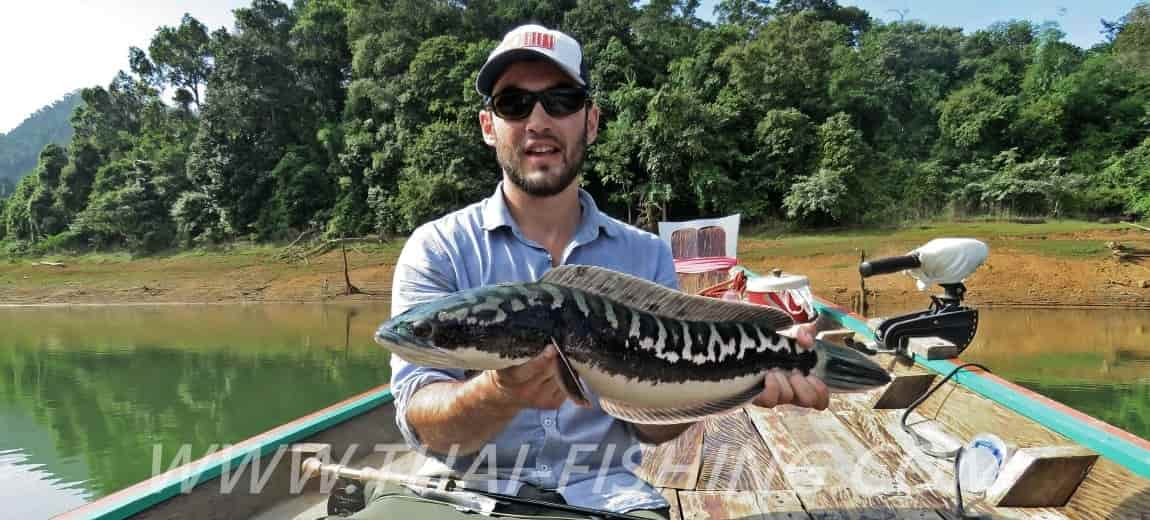
Snakehead fly fishing is sight fishing for one of the toughest freshwater predators there is. Snakeheads smash surface flies, shake their heads and dive for cover, and the best time to target them on fly is fry season, when both parents guard their young. This guide covers the lines, flies, techniques and timing that work, based on our own experience. We fish for Snakehead at Cheow Lan Lake in Khao Sok, Thailand.
Why Snakehead Are Such Good Fly Rod Fish
Snakehead are ambush predators, and they often hunt in very shallow water. They work close to the shore, in weeds and around fallen trees, and they breathe air, so they cruise and rest near the surface. That makes them ideal for sight fishing, and your fly is almost always in the strike zone. They are also hard to fool. When they are not guarding young, Snakehead can be wary and difficult to feed. When they do eat, the strike is violent, and the fight is full of power and head-shaking. That mix of stalking, accurate casting and explosive topwater action is why so many fly anglers get hooked.
Fry Season: The Best Time
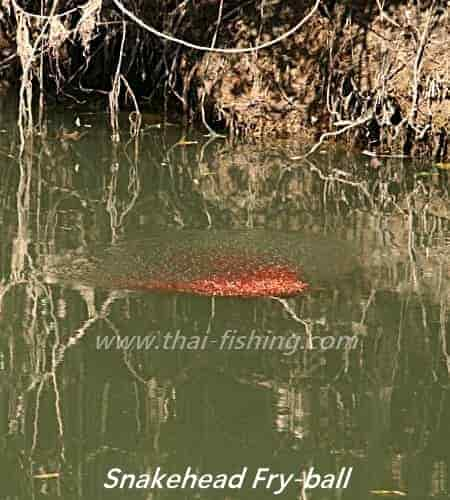
If you want to catch Snakehead on fly, plan your trip for fry season. After spawning, both parents guard their young. The fry stay together in a tight group called a fry ball. The parents keep it close, push it to the surface at intervals so the young can breathe, and attack anything that comes near. This is when Snakehead fly fishing is at its best. In our experience, guarding fish give the most aggressive and most exciting strikes of the year. In fry season sight fishing works best: you can spot the fry, you know roughly where the parents are, and they want to attack your fly. The timing depends on the water and the climate. At Cheow Lan Lake, fry season runs from around July to September. The overall peak season for Giant Snakehead fishing there runs from July to December.
 Snakehead Fly Fishing Best Time of Day and Year
 Snakehead Fly Fishing Best Time of Day and Year
Time of Day
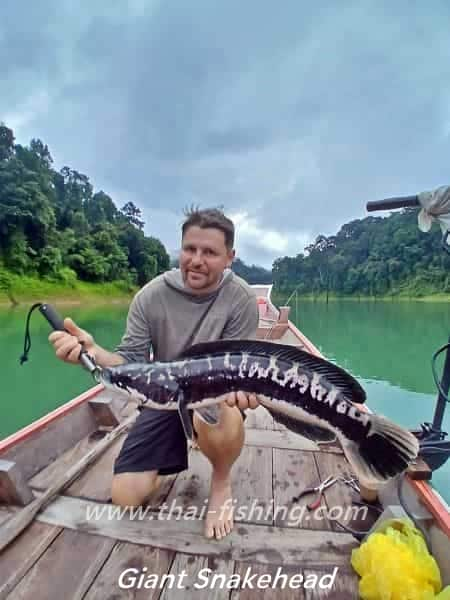
Early morning and late afternoon into evening are the best times for Snakehead on the surface. Low light and cooler water bring the fish into the shallows and make them bold. In the heat of midday, Snakehead are less active and often sit in shade or deeper water. You can still see them rise to gulp air, and a well-placed cast to the edge of shade can still catch a fish.
On our lake, the fish cruise out of the shallows towards deeper water in the morning, and they move back in to hunt in the afternoon. So we work the shoreline in both periods. Cloudy skies can keep fish active a little longer.
Time of Year
Fry season is the prime time, as described above. Outside fry season, Snakehead hold in cover and ambush prey, and sight fishing is harder. In the dry season on our lake, the water level falls and shoreline cover disappears. During the day the fish move offshore into deeper water around submerged trees and fallen logs, and we switch to streamers on an intermediate line. But we also see them come up into the shallow water in the morning and evening, because they like to hunt there, and that is when we work the shoreline.
Snakehead Fly Fishing Season Month by Month
| Months | What happens | Fly fishing |
| July to September | Fry season. Both parents guard their fry close to the surface. | Best time. Sight fishing to fry balls with poppers and streamers. |
| July to December | Peak season for Giant Snakehead fishing at Cheow Lan Lake. | Good fishing throughout. Fry season is the best part of it. |
| Dry season | The water level falls and shoreline cover disappears. Fish move offshore into deeper water. | Harder. Streamers on an intermediate line, and shoreline casting in the morning and evening. |
 Snakehead Fly Fishing Techniques in Fry Season
 Snakehead Fly Fishing Techniques in Fry Season
Fishing a fry ball is sight fishing, and it rewards patience and a good first cast. These are the techniques that work best.
Find the Fry Ball
Look for small bubbles and ripples just under the surface where the fry gather. The adults push the school up at intervals so the young can take air, and the ball drifts along the shore as it goes. Where there is a fry ball, there are usually one or two adults close by, often just below it. Watch the direction and speed of the ball to work out where the parents are, and wait for them to come up for air themselves.
Land the Fly Close, and Land It Softly
Accuracy decides the day. The fly must land close to the fry ball, but not on top of it, or the fry will take it first. A heavy landing, a splash or a noisy line can scare the adults away for a long time. Aim for a spot about the size of a dinner plate, and time the cast for the moment an adult surfaces. You often get only a second or two, so keep your line ready and your loops tight.
Casting for Snakehead: Speed and Accuracy
A Snakehead often shows itself for only a second, so the first cast decides the outcome. Get the fly out in as few false casts as you can, because fish can spot a lot of casting movement. Practise placing the fly on a target the size of a dinner plate before the trip, and learn a backhand cast for fish on your weak side.
Set the Hook: Strip, Do Not Lift
When a Snakehead takes, do not lift the rod. Keep the tip low, wait until you feel the fish, then strip-set hard. Move the fly with your strip hand rather than the rod tip, so the line stays straight and tight to the fly. Slack makes a good hook-set almost impossible.
Fight and Land the Fish
Expect hard pulls and violent head-shaking as the fish tries to throw the fly. Keep the line tight, keep the rod low and use the backbone of the rod. Snakehead fights are often more of a brawl than a long run, but a big Giant Snakehead will try to reach the nearest snag, so turn it early. Take care with the sharp teeth when you unhook the fish.
How to Fish the Flies
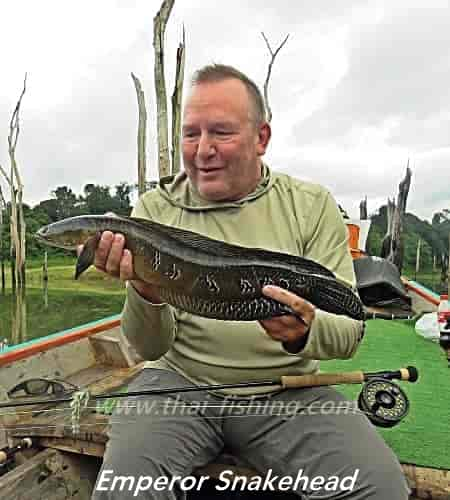 How to Fish the Flies
Fish a Popper
Guarding fish attack anything that makes a commotion near their young, and a popper makes plenty of it. A popper and a streamer both work in Snakehead fly fishing, so choose the fly that suits the fish and the conditions. To fish a popper, cast it close to the fry ball and let it land softly. Give it one firm pop straight away to draw attention. Then keep it moving with a series of short, sharp pops and steady strips, so it keeps disturbing the surface.
Vary the rhythm until the fish respond. Giant Snakehead tend to like a faster retrieve than their smaller striped cousins, so speed up if a fish follows. Snakehead often follow a fly without taking it, so keep stripping rather than lifting off. Never stop the fly while you bring it in. You can change the speed, but keep it moving. Strip-set when the fish takes.
Fish a Streamer
A big streamer is just as effective as a popper in Snakehead fly fishing. It is often the better choice when fish follow a surface fly but will not eat, when they sit deeper, and in the dry season. Cast it a little beyond the fry ball, or along the edge of the cover, so you can bring it back through the strike zone without landing on top of the fry.
Let the fly sink a moment, then strip it back with short, fast pulls, so it looks like a fleeing baitfish. Keep it moving the whole way in and change only the speed until you find what the fish want. Keep the rod tip low and pointed at the fly. Many strikes come just as the fly speeds up, so stay ready. Strip-set hard when the line tightens.
 Fishing Outside Fry Season
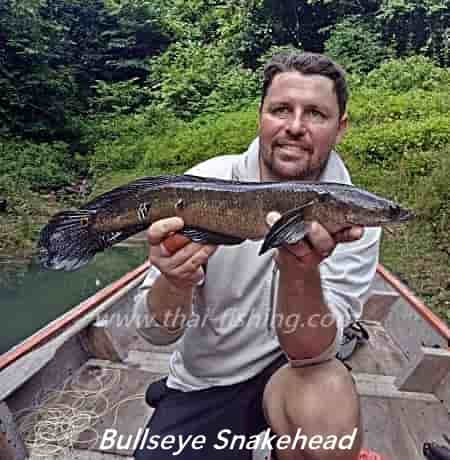 Fishing Outside Fry Season
Cast to Cruising and Rising Fish
Most Snakehead fly fishing is still sight-casting. Cast to cruising fish as they leave the shallows, or to fish that rise to the surface to breathe air. Speed and accuracy matter, because a fish may show itself for only a second.
Work the Cover
Snakehead use weeds, logs and branches as camouflage. Cast tight to the edges of structure and bring the fly across the top, or alongside. Strikes can come out of nowhere, and sometimes a fish tracks the fly for several metres before it eats. Keep stripping and stay alert until the fly is out of the water.
Go Deeper When Needed
When fish sit in deeper channels or offshore, a weighted fly or a streamer on an intermediate line gets down to them. A slow-sinking fly with an erratic, jerky retrieve can also trigger sluggish fish, as long as the fly never stops.
Snakehead Fly Fishing Tackle: Rod, Reel and Leader
Snakehead hit hard and run for the nearest snag, so your tackle needs backbone. We recommend this setup for Giant Snakehead:
- A 9 ft fast-action fly rod in 8 to 9 weight
- A floating line with a short, aggressive front taper, such as RIO’s OutBound Short or Elite Warmwater Predator
- A 6 ft leader with a strong butt section, tapered to about 25 lb
- 1 to 2 ft of 40 lb wire bite tippet, because of their sharp teeth
- Polarised sunglasses, which are essential for spotting fish
We match the rod to the fly. An 8 weight fits very well. Sometimes we experience strong winds, and then a 9 weight handles the wind better. If you can only bring one rod, take an 8 weight. If you own an 8 weight Sage X, that is the rod to bring. Snakehead fights are brawls rather than long, line-screaming runs, so any smooth disc-drag reel that you use for bass or light saltwater works well. A lighter reel balances the rod and reduces fatigue over a long day of casting. Keep the number of knots in your leader low, because you often fish close to weeds and wood. Fluorocarbon tippet resists abrasion better, but use wire for giant snakehead because of their teeth.
Which Fly Line Is Best?
For Snakehead fly fishing, we recommend a floating line with a short, aggressive front taper. Fly lines like RIO’s OutBound Short or the Elite Warmwater Predator series are perfect for this style of fishing. They load the rod quickly and are designed to cast large, heavy flies, so you can deliver a big popper or streamer accurately with only a few casts. Choose the line weight that matches an 8 to 9 weight rod.
We like a line that is slightly overweighted, to turn over big, bulky flies more easily. A line with a tropical core and coating stays stiff and slick in hot weather instead of going soft. If you like, bring an intermediate line as a second spool. It gets a streamer a little deeper, and the thin clear line is a little more stealthy. This helps when fish sit offshore, or when they follow a surface fly but refuse it.
The Best Flies for Snakehead
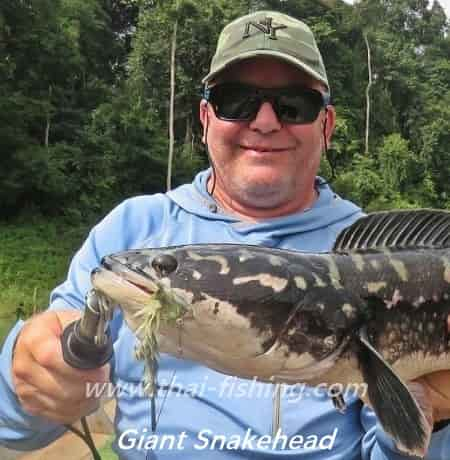 The Best Flies for Snakehead
Surface Flies:
Surface flies such as poppers, sliders, gurglers, and frog patterns all work well. We use our own flies and patterns for fry-season fishing, where we have experienced very high hook-up rates. Weedless frogs are the choice when you cast over weeds or lily pads. Foam sliders and gurglers, and classic divers and wakers, push water and make noise without sinking. All of them draw strikes from guarding fish and from ambush fish in cover. When a Snakehead takes a frog pattern, let it eat for a second before you strip-set hard. Use a strong, sharp hook, because Snakehead fight hard.
Streamers:
Big streamer flies work very well for Snakehead. Fly fishing Snakehead in Thailand is about speed, accurate casting and big flies. Snakehead are top predators that hunt baitfish and frogs, and a large, bulky fly gives them a clear target and pushes water they can feel. Fish streamers on the floating line over shallow cover, or on an intermediate line along drop-offs and submerged trees. Natural baitfish colours such as white, tan and yellow are a good place to start.
Our Own Jungle Flies
We make our own flies on Owner and Gamakatsu hooks. They have been extensively tested in the jungle, and we know which patterns work in these waters. All flies are included when you fish with us, so you do not need to bring any.
Try Snakehead Fly Fishing at Cheow Lan Lake
We guide fly anglers for giant snakehead at Cheow Lan Lake in Khao Sok National Park, southern Thailand. Our local guides have a lifelong connection to the area and know where to find the fish, but they are not fly fishermen themselves. The lake is 160 square kilometres and was completed in 1987, when a dam flooded a river valley. The drowned forest gives the fish perfect cover, and most of the snakehead we catch weigh 2 kg or more. Fish of 11 kg have been landed.
It is easy to fly to Phuket, Krabi or Surat Thani airport, and the drive to the lake is about two hours (a little shorter from Surat Thani). Because of the travel time, we recommend at least three days. Read more about our Giant Snakehead species page and the Snakehead fish family, see the lake fishing packages, or contact us to plan your trip. Looking for other species on the fly? See our fly fishing species or read more about lake fishing at Cheow Lan Lake.
Snakehead Fly Fishing FAQ
When is the best time for Snakehead fly fishing?
Fry season. Parents guarding their fry are at their most aggressive, and you can sight-cast to them. At Cheow Lan Lake, that is around July to September.
What is a fry ball?
A tight group of young snakehead that the parents guard close to the surface. Finding it tells you where the aggressive adults are.
What time of day is best?
Early morning and late afternoon into evening. Fish are less active in the midday heat, but you can still catch them near shade.
What fly rod and line do I need for fly fishing Snakehead?
A 9 ft fast-action rod in 8 to 9 weight and a floating line with a short, aggressive front taper, such as RIO’s OutBound Short or Elite Warmwater Predator.
Do I need a wire bite tippet?
Yes, for giant snakehead. Use 1 to 2 ft of 40 lb wire, because of their sharp teeth.
Which flies work best for Snakehead fly fishing?
Poppers, sliders, gurglers, frogs and big streamers. We make our own flies, which are extensively tested in the jungle.
How do you set the hook?
Keep the rod tip low, wait until you feel the fish, then strip-set hard. Do not lift the rod.
Is it suitable for beginners?
It is demanding. Quick, accurate casting with an 8 to 9 weight rod matters, so some fly-fishing experience helps.
Where do you fish?
At Cheow Lan Lake in Khao Sok National Park, Thailand.